Publications

Selected publications and scientific contributions. A complete list is available on Google Scholar.

Figure from publication
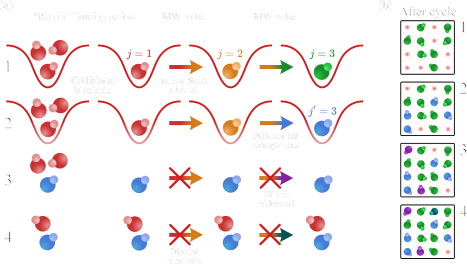
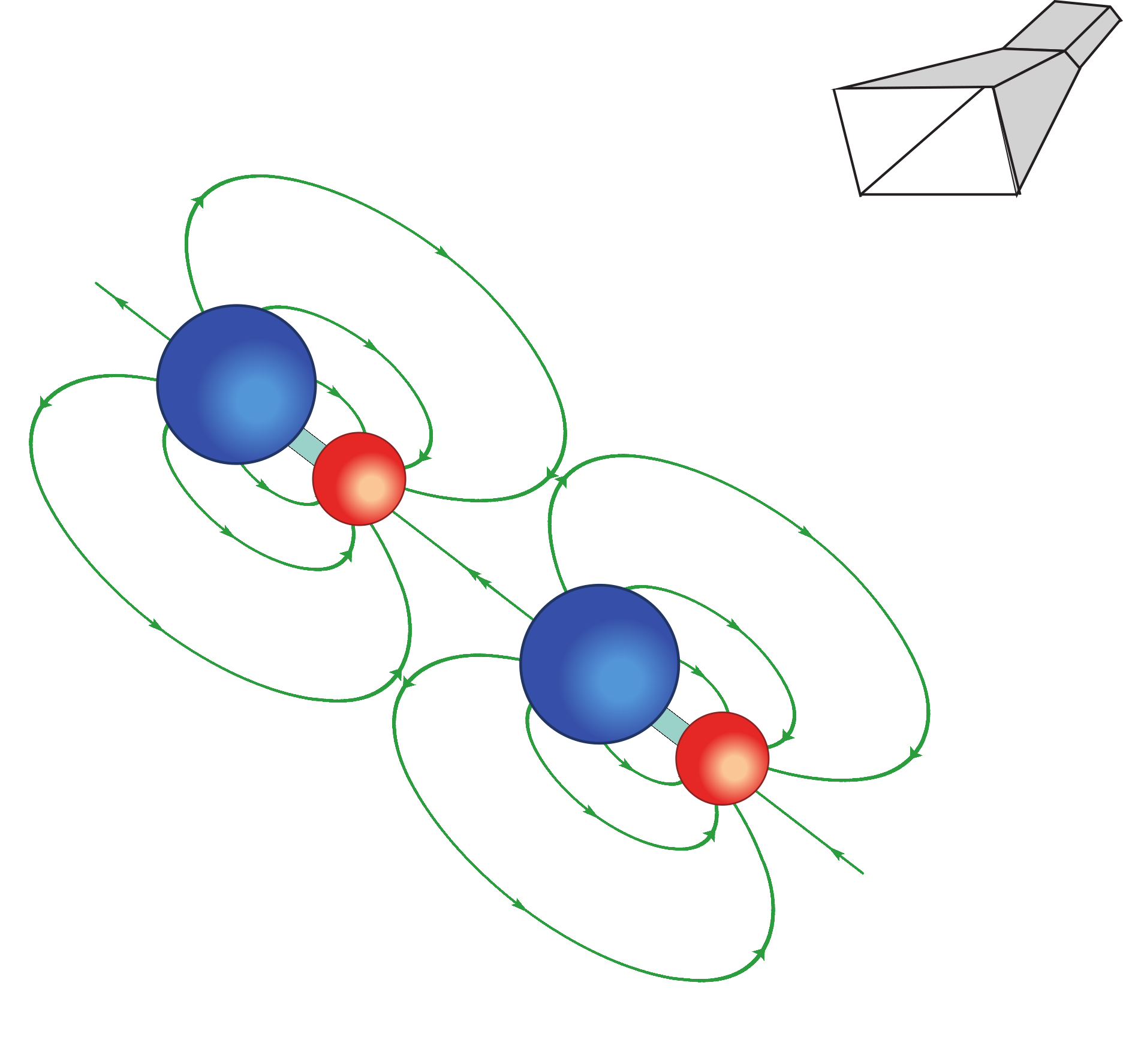
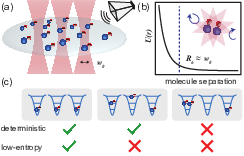
Low-entropy arrays of microwave-shielded molecules prepared by interaction blockade
Tijs Karman, Sebastian Will, and Zoe Z. Yan

Microwave shielding naturally gives rise to an interaction blockade that enables high-fidelity loading of low-entropy arrays for quantum science.

Physical Review Letters (2026)
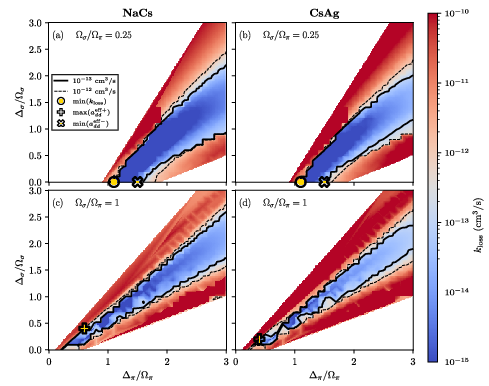
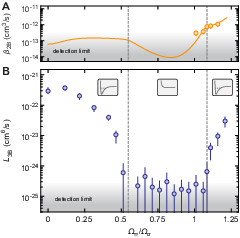
Figure from publication
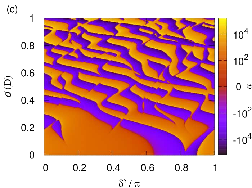
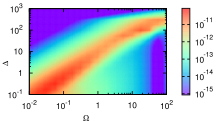
Mapping the parameter space of double microwave shielding
Hubert J Jóźwiak, Ian Stevenson, Sebastian Will, and Tijs Karman

We map the parameter space of double microwave shielding, and establish the (non)-universality. Editor's choice.

Physical Review A (2026)
Figure from publication
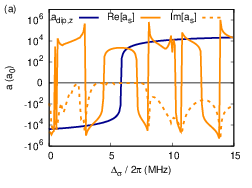
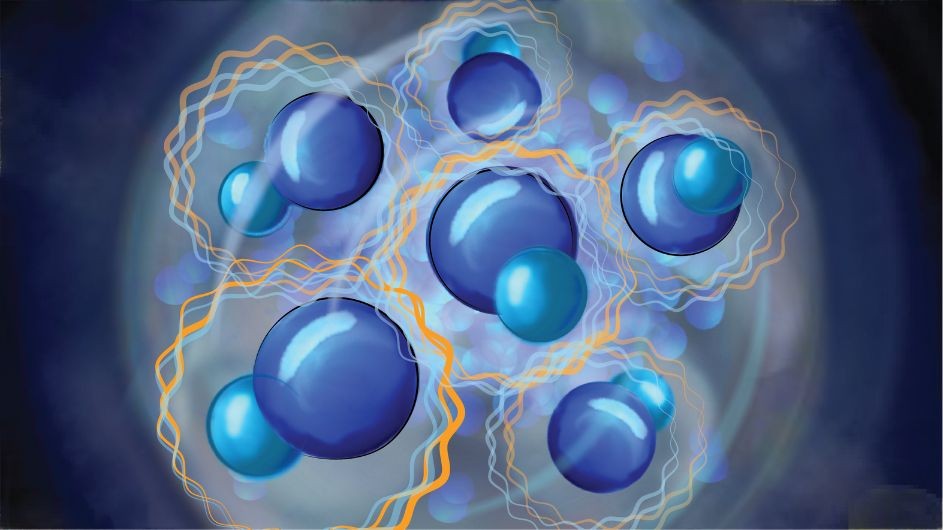
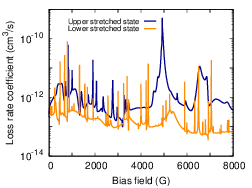
Extreme loss suppression in an ultracold molecular gas with widely tunable dipolar interactions
Weijun Yuan, Siwei Zhang, Niccolò Bigagli, Haneul Kwak, Claire Warner, Tijs Karman, Ian Stevenson, and Sebastian Will

Demonstrates extreme suppression of two-body and three-body loss of ultracold molecules by microwave shielding, while tuning interactions into the strongly interacting regime.

Science (2026)
Figure from publication
Colloquium: Strongly dipolar molecular Bose-Einstein condensates: From few- to many-body physics
Andreas Schindewolf, Jens Hertkorn, Ian Stevenson, Matteo Ciardi, Phillip Groß, Dajun Wang, Tijs Karman, Goulven Quéméner, Sebastian Will, Thomas Pohl, Tim Langen

Review paper on dipolar few and many-body physics with BECs of microwave shielded molecules.

Reviews of Modern Physics (2026)
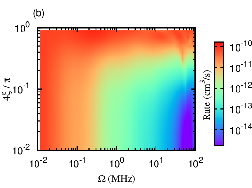
Figure from publication
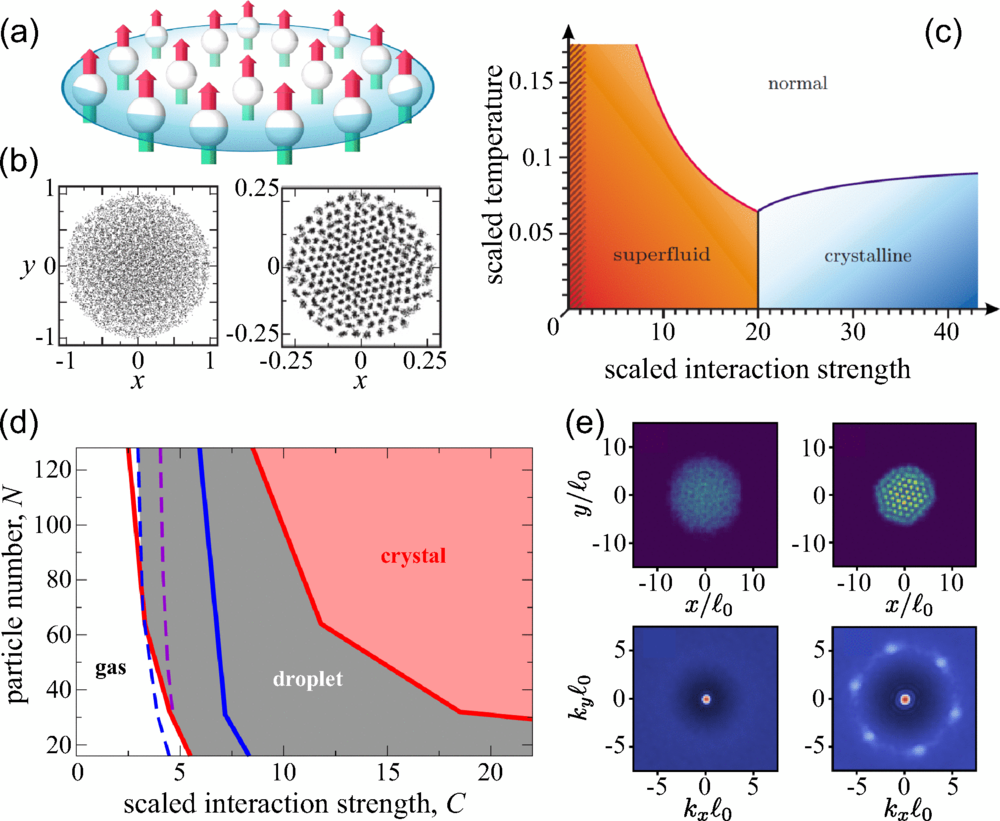
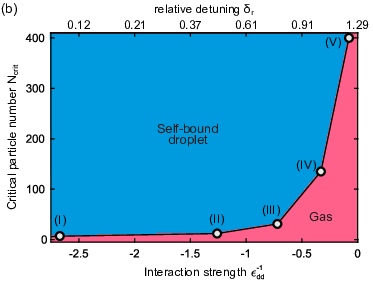
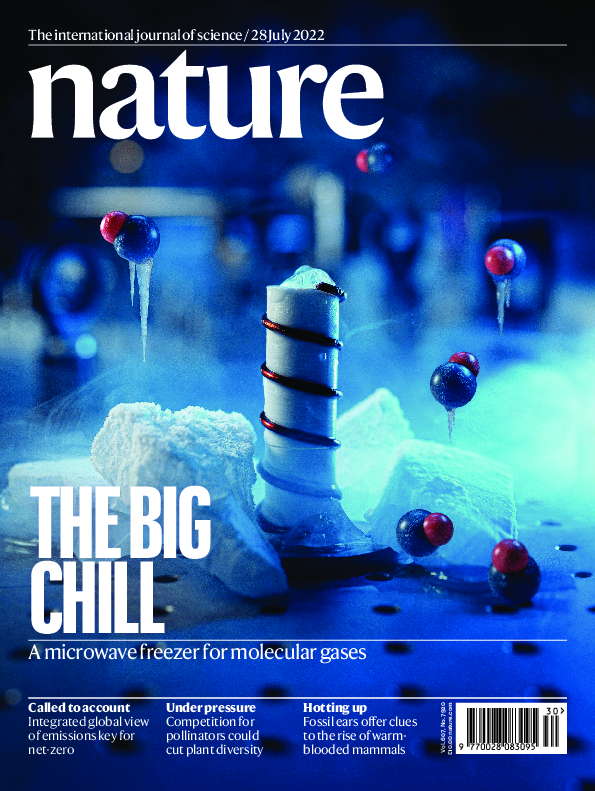
Observation of self-bound droplets of ultracold dipolar molecules
Siwei Zhang, Weijun Yuan, Niccolò Bigagli, Haneul Kwak, Tijs Karman, Ian Stevenson, Sebastian Will

Observation of self-bound dipolar droplets of polar molecules.

Nature (2026)
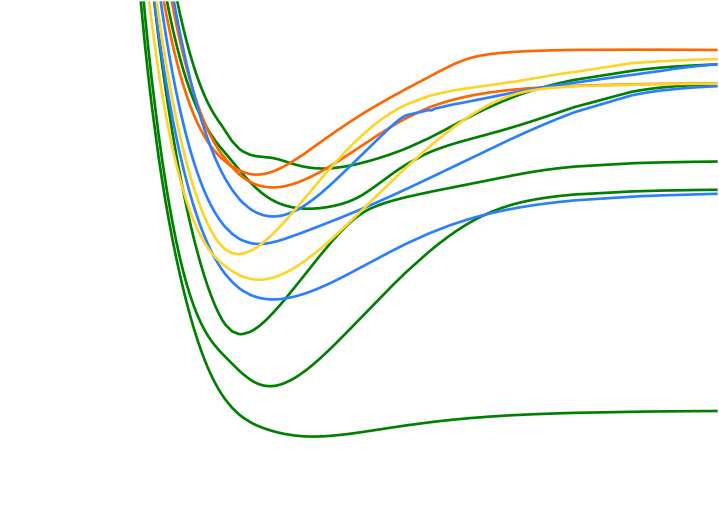
Figure from publication
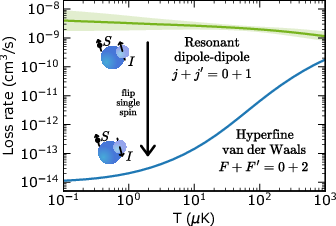
Hyperfine van der Waals repulsion between open-shell polar molecules
Etienne Walraven, and Tijs Karman

Describes a new type of van der Waals interaction between ultracold open-shell molecules.

Physical Review A (2025)
Figure from publication
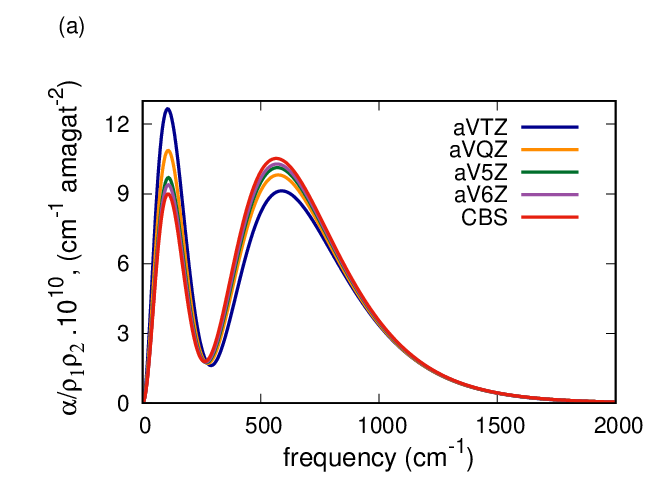
Complete insensitivity to ab initio data–A new perspective on modeling collision-induced absorption of noble gas atoms
Nikhila Chandran and Tijs Karman

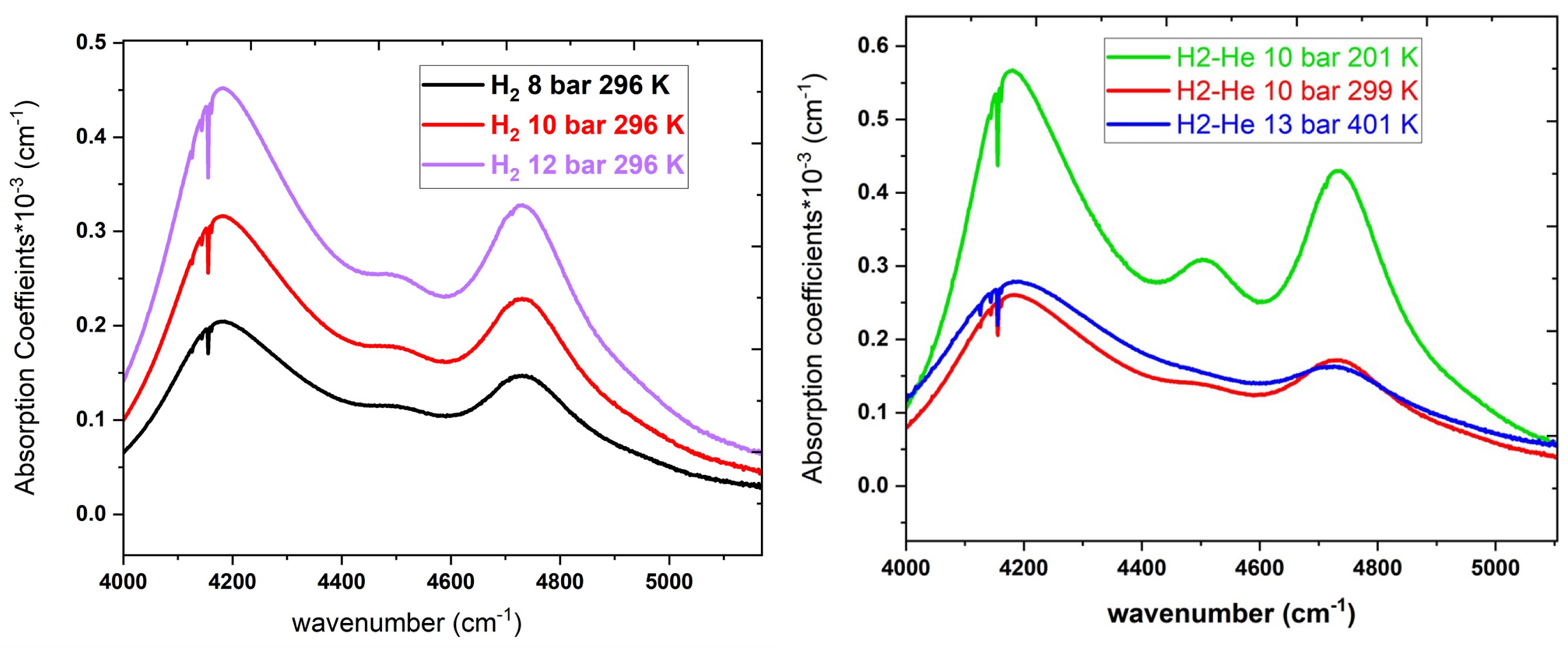
Quantifies the dependence -- or lack thereof -- of CIA spectra on ab intio potential energy and dipole functions.

Journal of Quantitative Spectroscopy and Radiative Transfer (2025)
Figure from publication
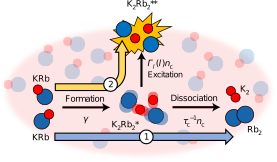
Double Microwave Shielding
Tijs Karman, Niccolò Bigagli, Weijun Yuan, Siwei Zhang, Ian Stevenson, Sebastian Will

We introduce double microwave shielding by two fields to simultaneously eliminate two-body and three-body loss, while tuning interactions.

PRX Quantum (2025)
Figure from publication
Dipolar droplets of strongly interacting molecules
Tim Langen, Jordi Boronat, Juan Sánchez-Baena, Raúl Bombín, Tijs Karman, Ferran Mazzanti

Self-bound quantum droplets of microwave shielded molecules described by quantum Monte Carlo and extended Gross-Pitaevskii equations.

Physical Review Letters (2025)
Figure from publication
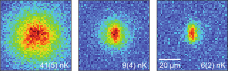
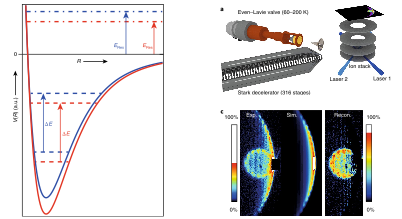
Observation of Bose–Einstein condensation of dipolar molecules
Niccolo Bigagli, Weijun Yuan, Siwei Zhang, Boris Bulatovic, Tijs Karman, Ian Stevenson, Sebastian Will

Bose-Einstein Condensate of polar molecules! Obtained by evaporating NaCs molecules with two-color microwave shielding. Sebastian Will's lab (Columbia).

Nature (2024)
Figure from publication
Scheme for Deterministic Loading of Laser-Cooled Molecules into Optical Tweezers
Etienne F Walraven, Michael R Tarbutt, Tijs Karman

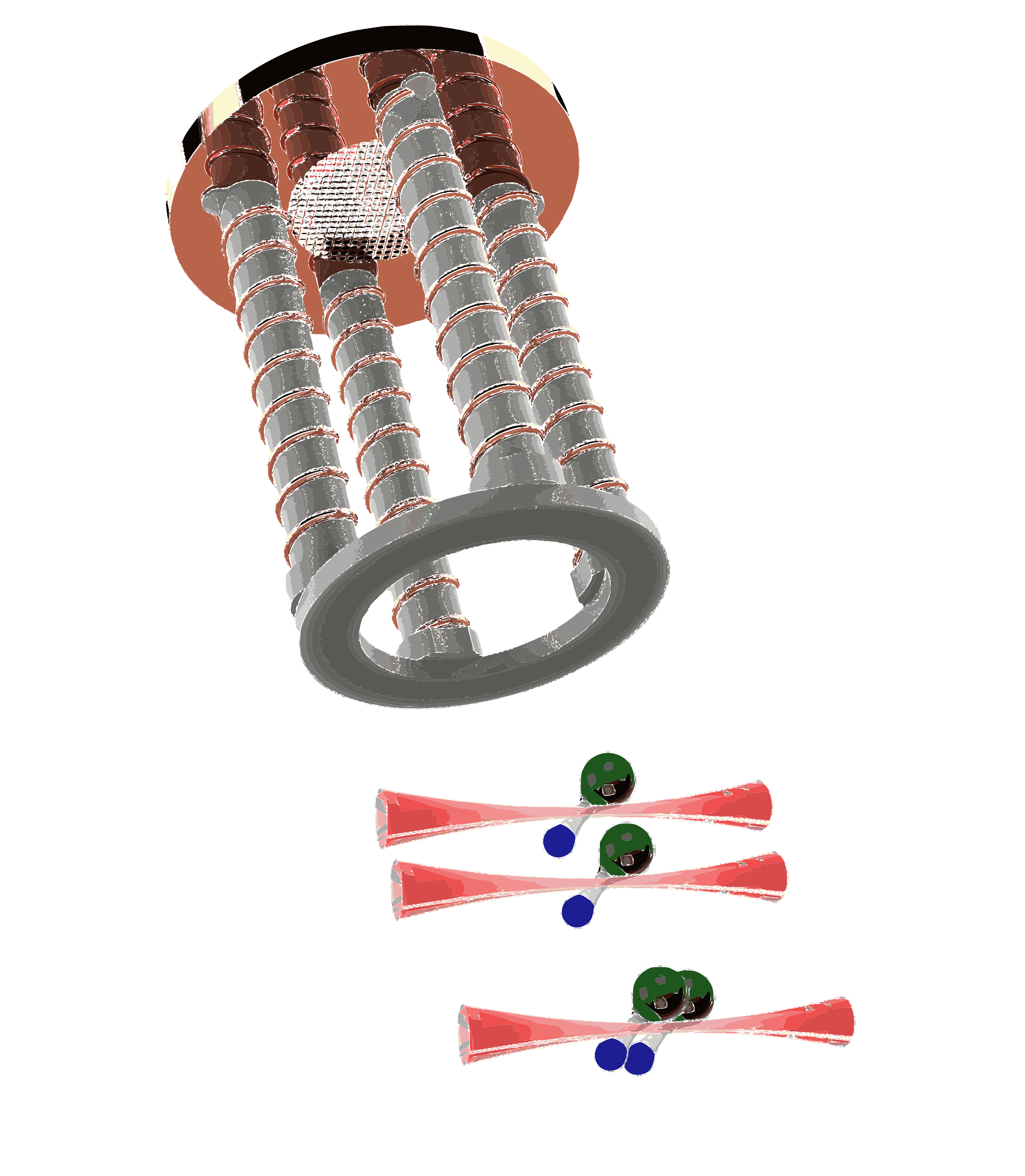
We propose an iterative scheme for deterministic loading of laser cooled molecules into optical tweezers, addressing the scalability of molecule arrays.

Physical Review Letters (2024)
Figure from publication
Ultracold chemistry as a testbed for few-body physics
Tijs Karman, Michał Tomza, Jesús Pérez-Ríos

Invited review paper on few-body physics with ultracold molecules.

Nature Physics (2024)
Figure from publication
Rotational-state dependence of interactions between polar molecules
Etienne F Walraven, Tijs Karman

Novel type of van der Waals interaction between ultracold polar molecules prepared in different rotational states.

Physical Review A (2024)
Figure from publication
Data availability and requirements relevant for the Ariel space mission and other exoplanet atmosphere applications
Katy L Chubb et al

Community white paper.

RAS Techniques and Instruments (2024)
Figure from publication
Collisionally stable gas of bosonic dipolar ground-state molecules
Niccolò Bigagli, Claire Warner, Weijun Yuan, Siwei Zhang, Ian Stevenson, Tijs Karman, Sebastian Will

Microwave shielding shielding of bosonic NaCs molecules.

Nature Physics (2023)
Figure from publication
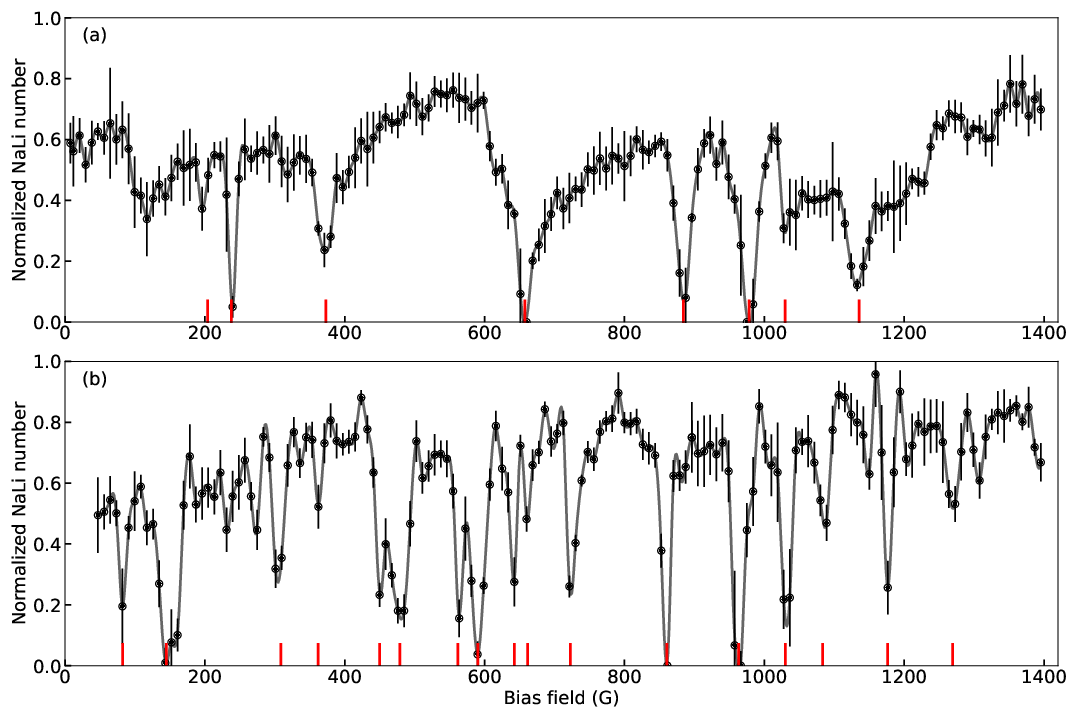
Ab initio calculation of the spectrum of Feshbach resonances in NaLi+Na collisions
Tijs Karman, Marcin Gronowski, Michał Tomza, Juliana J Park, Hyungmok Son, Yu-Kun Lu, Alan O Jamison, Wolfgang Ketterle

Ab initio calculation of Feshbach resonances in NaLi+Na collisions can qualitatively reproduce and explain experiment. Detailed description of the calculations.

Physical Review A (2023)
Figure from publication
Spectrum of Feshbach Resonances in NaLi+Na Collisions
Juliana J Park, Hyungmok Son, Yu-Kun Lu, Tijs Karman, Marcin Gronowski, Michał Tomza, Alan O Jamison, Wolfgang Ketterle

Ab initio calculation of Feshbach resonances in NaLi+Na collisions can qualitatively reproduce and explain experiment. Focus on comparison to experiment.

Physical Review X (2023)
Figure from publication
Quantum state–resolved molecular dipolar collisions over four decades of energy
Guoqiang Tang, Matthieu Besemer, Stach Kuijpers, Gerrit C Groenenboom, Ad van der Avoird, Tijs Karman, Sebastiaan YT van de Meerakker

Peculiar collision mechanisms are studied in dipolar NO+ND3 collisions as the collision energy is tuned over four orders of magnitude.

Science (2023)
Figure from publication
Resonances in non-universal dipolar collisions
Tijs Karman

Quantum defect theory boundary conditions for numerical calculations on dipolar collisions beyond universal loss.

The Journal of Physical Chemistry A (2023)
Figure from publication
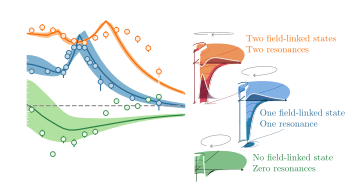
Field-linked resonances of polar molecules
Xing-Yan Chen, Andreas Schindewolf, Sebastian Eppelt, Roman Bause, Marcel Duda, Shrestha Biswas, Tijs Karman, Timon Hilker, Immanuel Bloch, Xin-Yu Luo

Microwave field-linked states appear in microwave shielding.

Nature (2023)
Figure from publication
Symmetry breaking in sticky collisions between ultracold molecules
Marijn P Man, Gerrit C Groenenboom, Tijs Karman

Breaking of rotational symmetry by external fields leads to longer sticking times.

Physical Review Letters (2022)
Figure from publication
Evaporation of microwave-shielded polar molecules to quantum degeneracy
Andreas Schindewolf, Roman Bause, Xing-Yan Chen, Marcel Duda, Tijs Karman, Immanuel Bloch, Xin-Yu Luo

Evaporative cooling of microwave-shielded NaK molecules to a degenerate Fermi gas.

Nature (2022)
Figure from publication
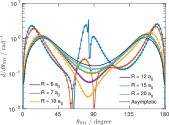
Glory scattering in deeply inelastic molecular collisions
Matthieu Besemer, Guoqiang Tang, Zhi Gao, Ad van der Avoird, Gerrit C Groenenboom, Sebastiaan YT van de Meerakker, Tijs Karman

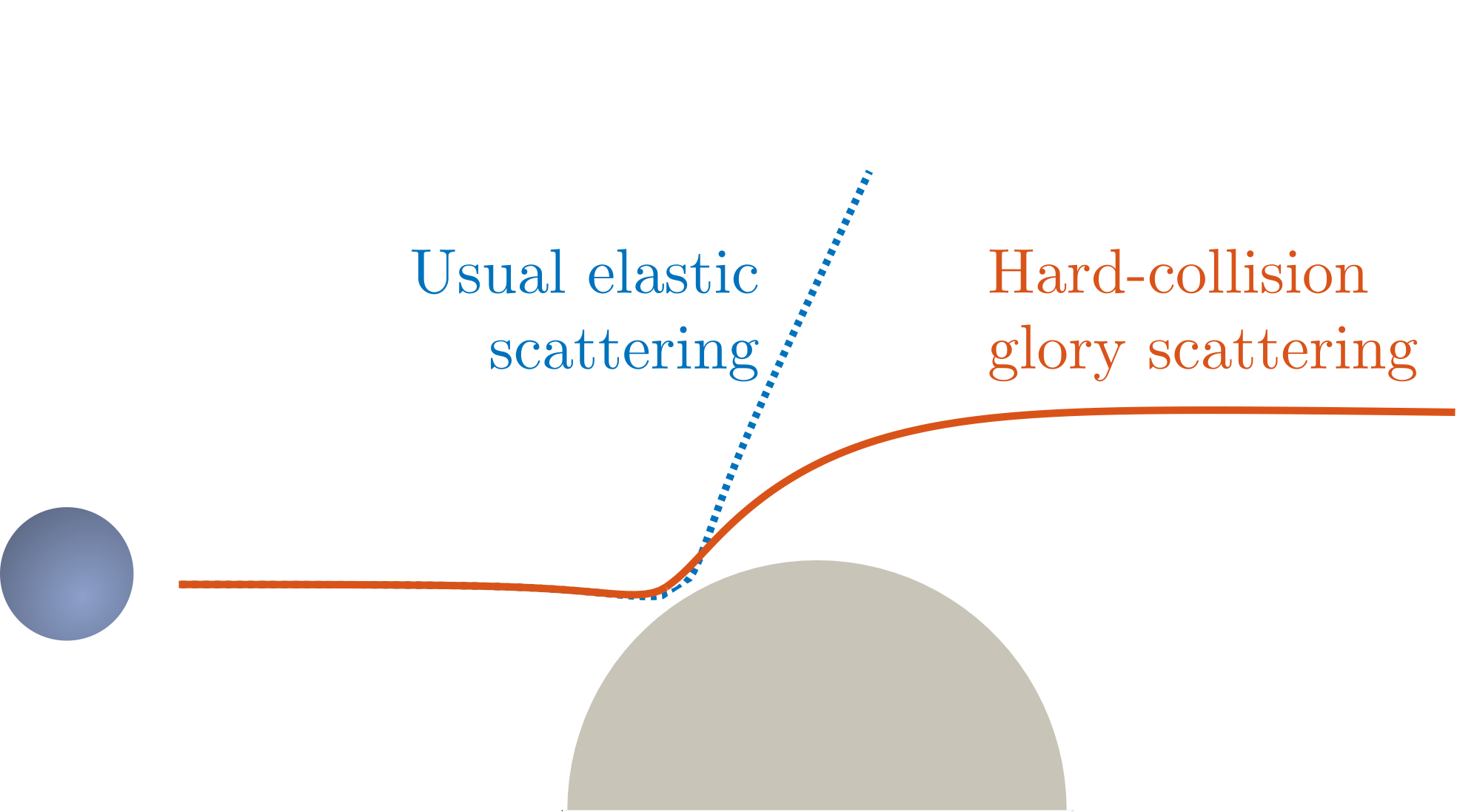
Identification of a new collision mechanism that leads to unexpected forward scattering in head-on collisions.

Nature Chemistry (2022)
Figure from publication
Control of reactive collisions by quantum interference
Hyungmok Son, Juliana J Park, Yu-Kun Lu, Alan O Jamison, Tijs Karman, Wolfgang Ketterle

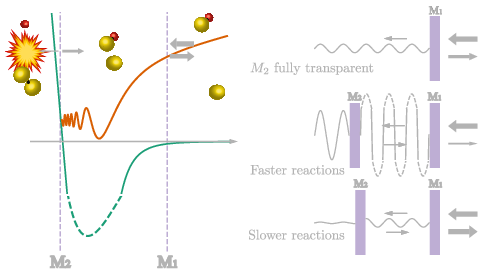
A collision resonance can act as a tunable Fabry-Perot cavity and control reative collisions.

Science (2022)
Figure from publication
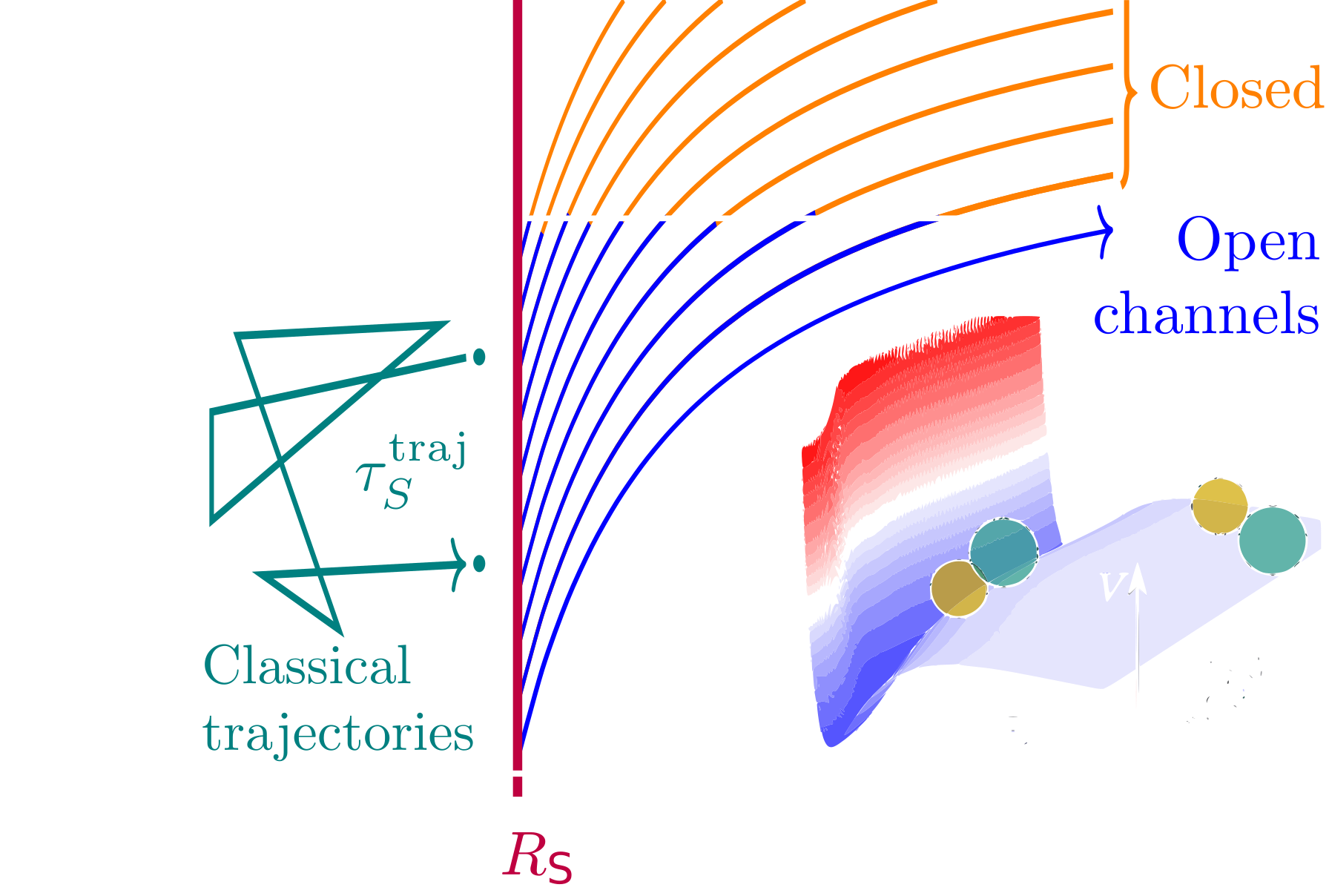
Lossy quantum defect theory of ultracold molecular collisions
Arthur Christianen, Gerrit C Groenenboom, Tijs Karman

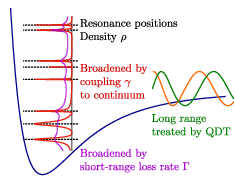
Extension of quantum defect theory to lossy collisions.

Physical Review A (2021)
Figure from publication
Observation of microwave shielding of ultracold molecules
Loïc Anderegg, Sean Burchesky, Yicheng Bao, Scarlett S Yu, Tijs Karman, Eunmi Chae, Kang-Kuen Ni, Wolfgang Ketterle, John M Doyle

First realization of microwave shielding!

Science (2021)
Figure from publication
Collisions of ultracold molecules in bright and dark optical dipole traps
Roman Bause, Andreas Schindewolf, Renhao Tao, Marcel Duda, Xing-Yan Chen, Goulven Quéméner, Tijs Karman, Arthur Christianen, Immanuel Bloch, Xin-Yu Luo

Sticking and non-sticking of ultracold molecules in modulated optical traps and box traps.

Physical Review Research (2021)
Figure from publication
Para‐ortho hydrogen conversion: Solving a 90‐year old mystery
Xia Zhang, Tijs Karman, Gerrit C Groenenboom, Ad van der Avoird

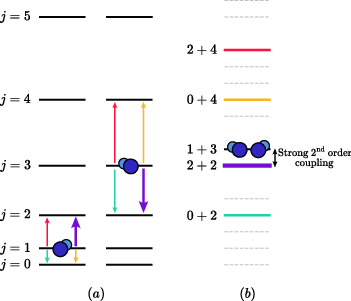
Conversion between para and ortho hydrogen in gas phase collisions with oxygen molecules.

Natural Sciences (2021)
Figure from publication
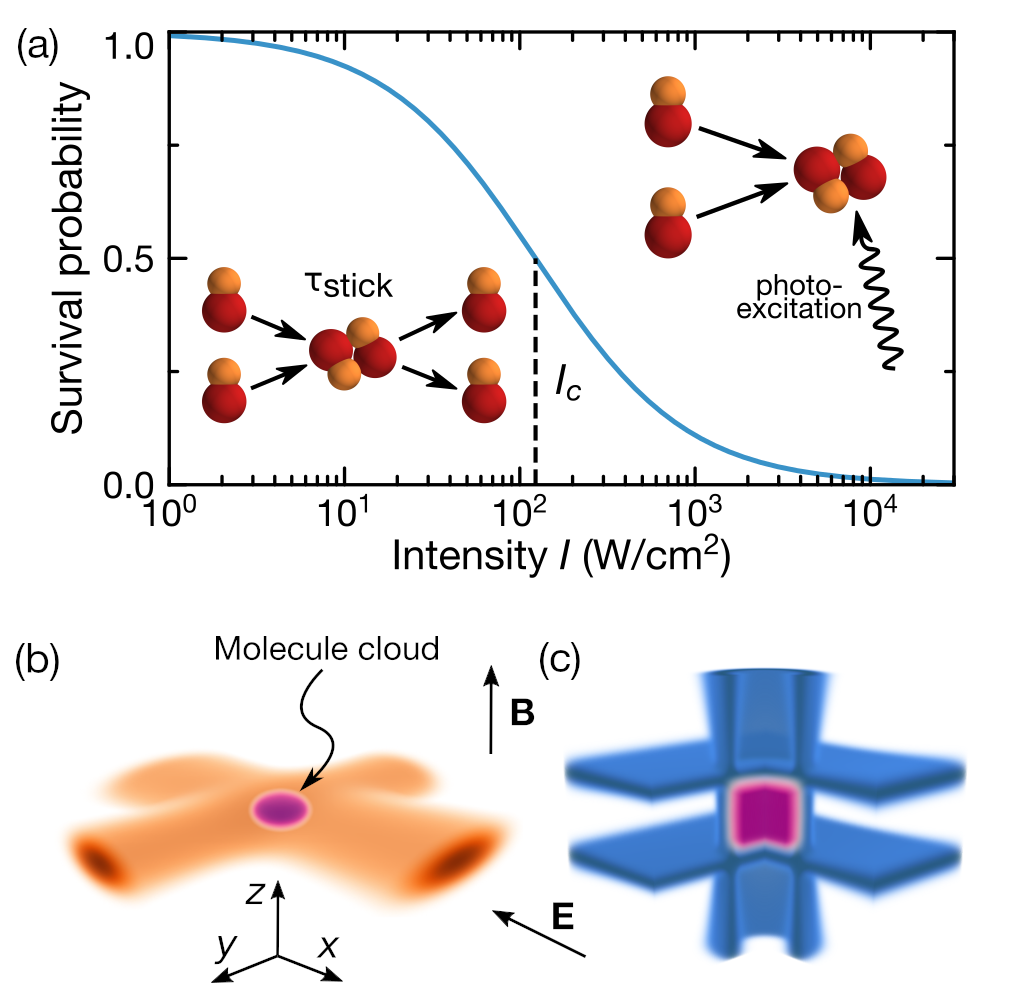
Photo-excitation of long-lived transient intermediates in ultracold reactions
Yu Liu, Ming-Guang Hu, Matthew A Nichols, David D Grimes, Tijs Karman, Hua Guo, Kang-Kuen Ni

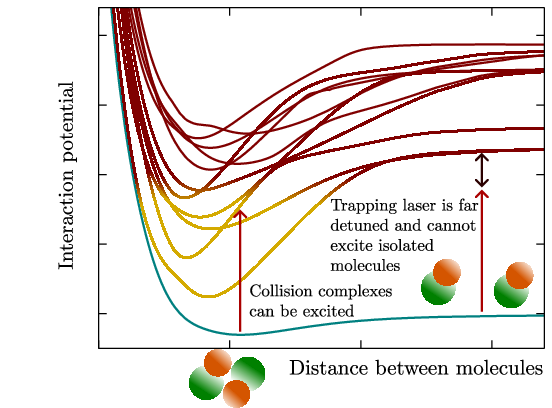
Experimental demonstration of sticking and photo-excitation of ultracold collision complexes by the trapping laser, predicted theoretically.

Nature Physics (2020)
Figure from publication
Resonant dipolar collisions of ultracold molecules induced by microwave dressing
Zoe Z Yan, Jee Woo Park, Yiqi Ni, Huanqian Loh, Sebastian Will, Tijs Karman, Martin Zwierlein

Microwave dressing induces fast collisions between ultracold molecules.

Physical Review Letters (2020)
Figure from publication
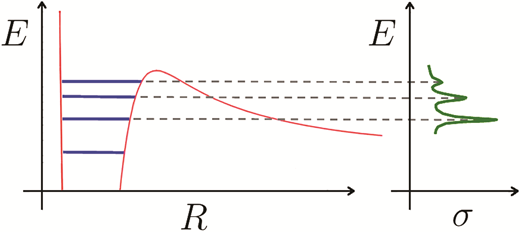
Imaging the onset of the resonance regime in low-energy NO-He collisions
Tim de Jongh, Matthieu Besemer, Quan Shuai, Tijs Karman, Ad van der Avoird, Gerrit C Groenenboom, Sebastiaan YT van de Meerakker

Imaging of low-energy collisions and resonances in NO helium collisions.

Science (2020)
Figure from publication
Rotational–vibrational resonance states
Attila G Császár, Irén Simkó, Tamás Szidarovszky, Gerrit C Groenenboom, Tijs Karman, Ad van der Avoird

Review paper on resonance states.

Physical Chemistry Chemical Physics (2020)
Figure from publication
Microwave shielding of ultracold polar molecules with imperfectly circular polarization
Tijs Karman, Jeremy M Hutson

How sensitive is shielding to the microwave polarization?

Physical Review A (2019)
Figure from publication
Photoinduced Two-Body Loss of Ultracold Molecules
Arthur Christianen, Martin W Zwierlein, Gerrit C Groenenboom, Tijs Karman

Theoretical prediction of photo-excitation of ultracold collision complexes in sticky collisions.

Physical Review Letters (2019)
Figure from publication
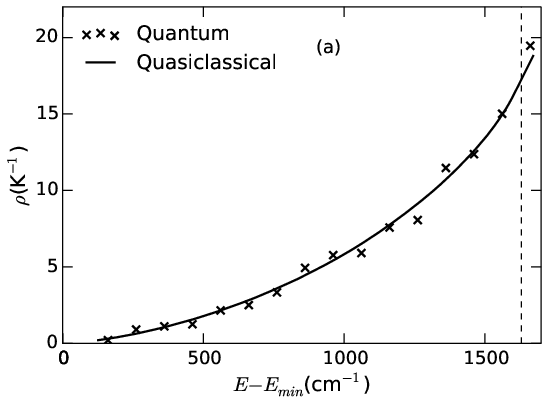
Quasiclassical method for calculating the density of states of ultracold collision complexes
Arthur Christianen, Tijs Karman, Gerrit C Groenenboom

Method to compute the density of states and sticking time of ultracold collision complexes.

Physical Review A (2019)
Figure from publication
Microwave shielding of ultracold polar molecules
Tijs Karman, Jeremy M Hutson

Proposal for microwave shielding, which has become an enabling technique in ultracold molecule experiments.

Physical Review Letters (2018)
Figure from publication
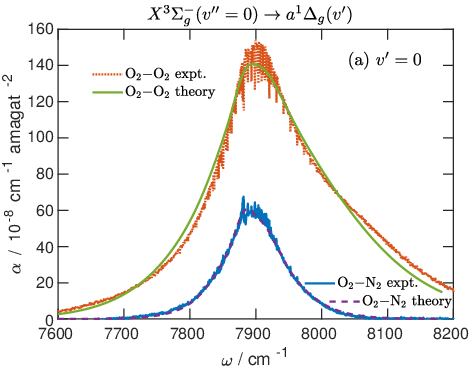
O2-O2 and O2-N2 collision-induced absorption mechanisms unravelled
Tijs Karman, Mark AJ Koenis, Agniva Banerjee, David H Parker, Iouli E Gordon, Ad van der Avoird, Wim J van der Zande, Gerrit C Groenenboom

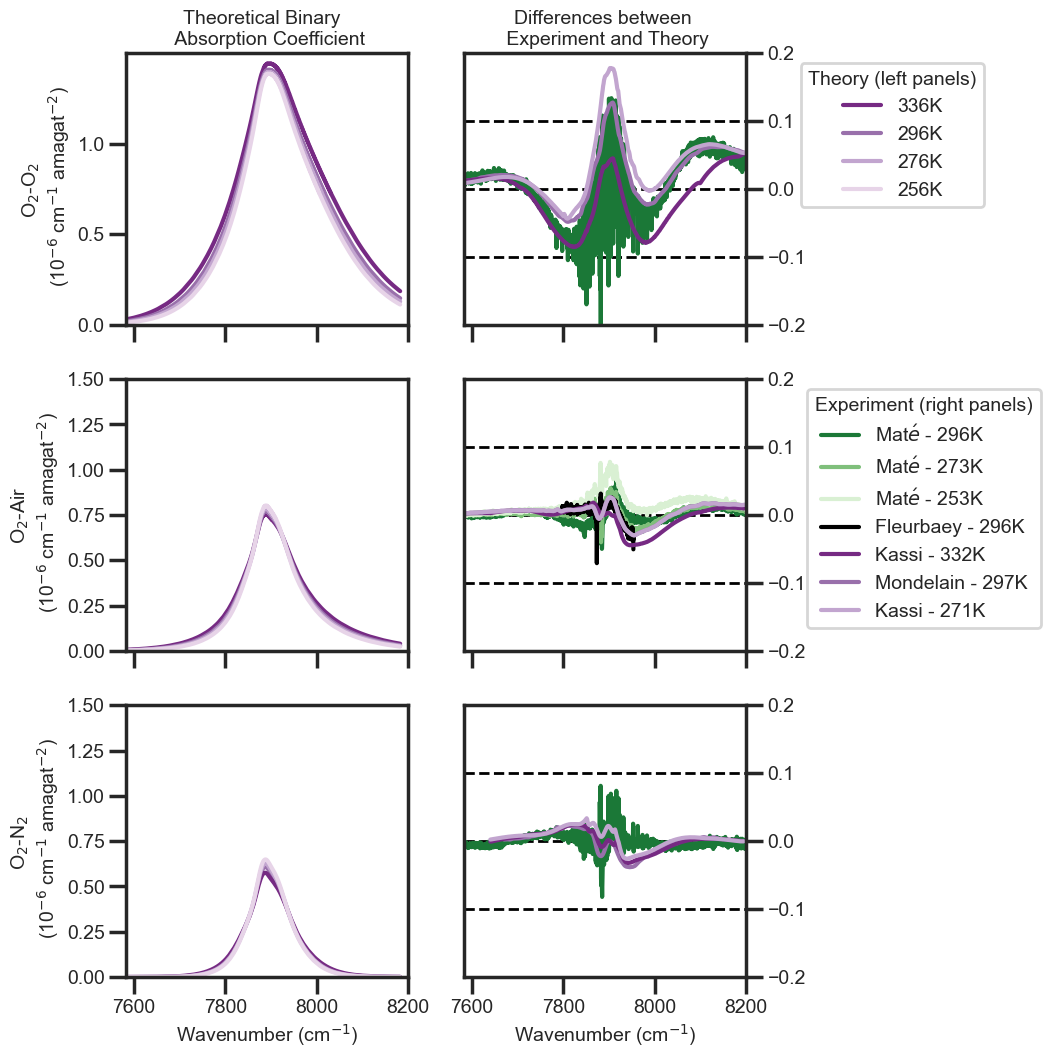
The mechanism of CIA by oxygen is shown to depend on the collision partner, O2 or N2, contrary to textbook knowledge. The new theory can explain experimental observations and constrain future experiments.

Nature Chemistry (2018)
Figure from publication
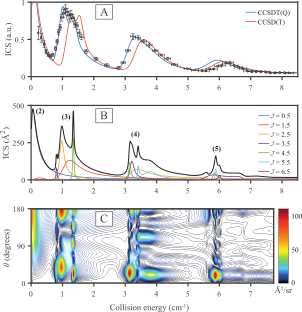
Scattering resonances in bimolecular collisions between NO radicals and H 2 challenge the theoretical gold standard
Sjoerd N Vogels, Tijs Karman, Jacek Kłos, Matthieu Besemer, Jolijn Onvlee, Ad van der Avoird, Gerrit C Groenenboom, Sebastiaan YT van de Meerakker

Resonances in NO + H2 collisions probe the interaction between molecules to an accuracy beyond the "gold standard" CCSD(T).

Nature Chemistry (2018)
Figure from publication
Observation of correlated excitations in bimolecular collisions
Zhi Gao, Tijs Karman, Sjoerd N Vogels, Matthieu Besemer, Ad van der Avoird, Gerrit C Groenenboom, Sebastiaan YT van de Meerakker

Observation of rotational product pairs, correlated rotational excitation of two colliding molecules.

Nature Chemistry (2018)
Figure from publication
Diabatic states, nonadiabatic coupling, and the counterpoise procedure for weakly interacting open-shell molecules
Tijs Karman, Matthieu Besemer, Ad van der Avoird, Gerrit C Groenenboom

Quantitative study of the accuracy of diabatization for open-shell molecules.

The Journal of Chemical Physics (2018)
Figure from publication
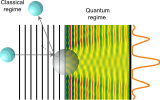
Imaging quantum stereodynamics through Fraunhofer scattering of NO radicals with rare-gas atoms
Jolijn Onvlee, Sean DS Gordon, Sjoerd N Vogels, Thomas Auth, Tijs Karman, Bethan Nichols, Ad van der Avoird, Gerrit C Groenenboom, Mark Brouard, Sebastiaan YT van de Meerakker

Fraunhofer diffraction describes quantum mechanical collisions between molecules and atoms, and the geometry of the "aperature" leads to stereodynamics that depends on the parity of the internal state of NO, which has no classical analog.

Nature Chemistry (2017)
Figure from publication
Communication: Multiple-property-based diabatization for open-shell van der Waals molecules
Tijs Karman, Ad van der Avoird, Gerrit C Groenenboom

Diabatization algorithm using properties evaluated ab initio and using a diabatic model.

The Journal of Chemical Physics (2016)
← Back to homepage